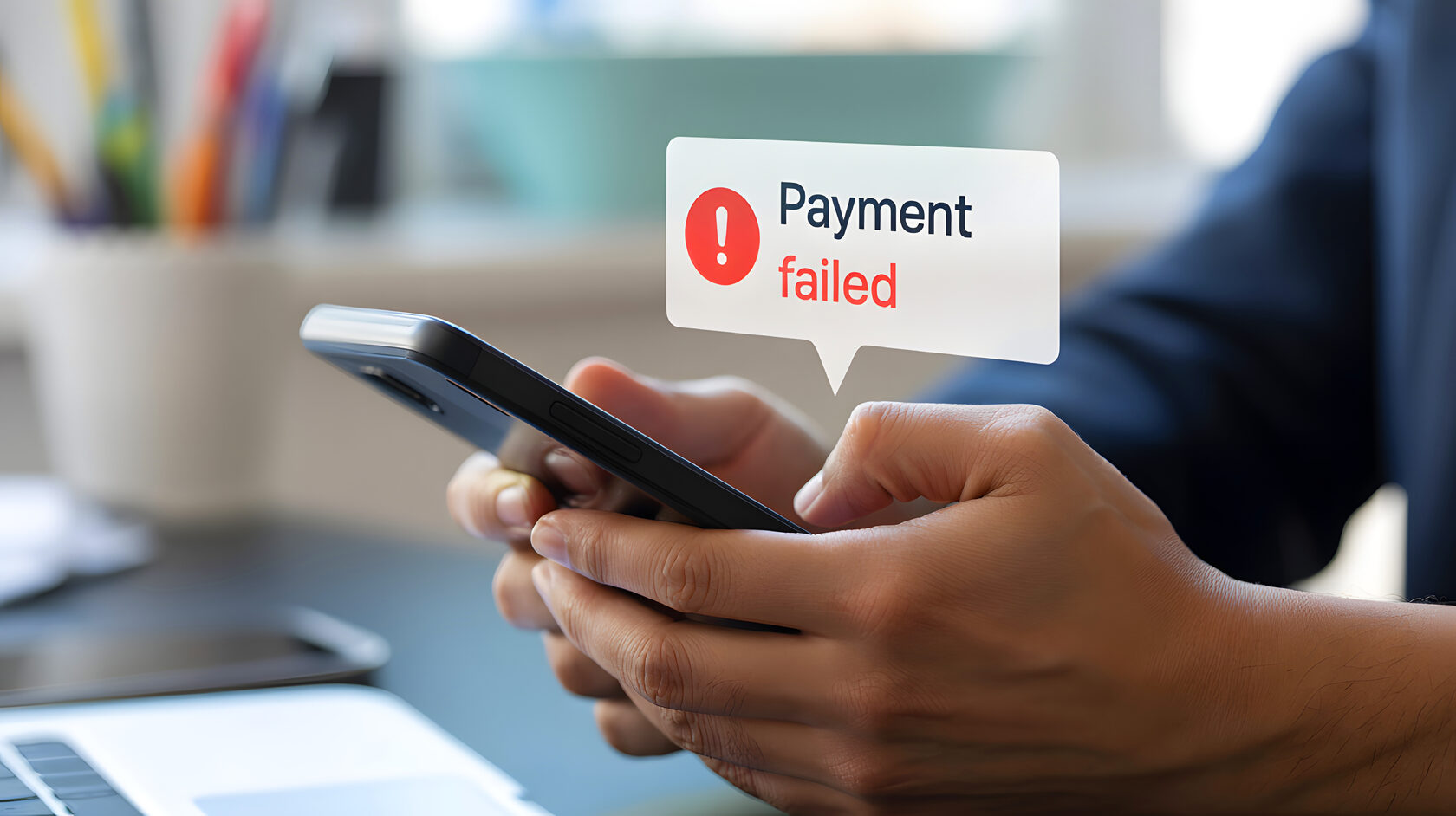
Why Do Online Payments Fail? Common Causes, Solutions, and Prevention Strategies for Businesses.
In today's digital economy, online payments have become an essential part of doing business. Whether you operate an e-commerce store, a service-based business, a hotel booking platform, or a subscription website, providing customers with a fast and reliable payment experience is critical to your success.
However, one of the most common challenges businesses face is payment failure. When a customer is unable to complete a transaction, it can lead to abandoned purchases, lost revenue, and reduced customer trust. Even a single failed payment can discourage a customer from returning.
The good news is that payment failures are often preventable. By understanding the reasons behind unsuccessful transactions, businesses can improve their payment processes and create a smoother checkout experience.
This article explores the most common causes of online payment failures, practical solutions for customers, and effective strategies businesses can implement to reduce failed transactions.
What Is an Online Payment Failure?
An online payment failure occurs when a customer attempts to complete a payment, but the transaction cannot be successfully authorized or processed.
This does not always mean that money has been deducted from the customer's account. In some cases, the payment is declined before funds are transferred. In others, the issuing bank may temporarily hold or reserve the funds while waiting for the transaction to be confirmed.
Understanding why a payment fails is the first step toward resolving the issue quickly and preventing future occurrences.
7 Common reasons why online payments fail?
1. Insufficient Funds or Credit Limit
One of the most common reasons for payment failure is that the customer does not have enough available funds or credit to complete the transaction.
Examples include
- The bank account balance is lower than the purchase amount.
- The credit card has reached its spending limit.
- Daily transfer or payment limits have been exceeded.
Solutions and Resolutions
Customers should verify their account balance or available credit before making a purchase. If necessary, they can increase their transaction limit through their bank or choose an alternative payment method.
2. Incorrect Payment Information
Even a small error in payment details can cause a transaction to be rejected.
Common mistakes include
- Incorrect card number
- Wrong expiration date
- Invalid CVV or security code
- Misspelled cardholder name
Solutions and Resolutions
Double-check all payment information before confirming the transaction. Businesses can also reduce input errors by using secure autofill features and real-time card validation during checkout.
3. Failed Authentication (3D Secure or One-Time Password)
Many banks require additional identity verification through 3D Secure (3DS) or a One-Time Password (OTP) to protect cardholders from unauthorized transactions.
A payment may fail if
- The OTP is entered incorrectly.
- The verification code expires.
- The authentication window is closed before completion.
Solutions and Resolutions
Customers should ensure they have access to the mobile number or authentication app linked to their bank account and complete the verification process within the required timeframe.
4. The Issuing Bank Declines the Transaction
Sometimes the customer's bank declines a payment even when sufficient funds are available.
Possible reasons include:
- Unusually large purchase amounts
- International transactions
- Multiple payment attempts within a short period
- Suspicious activity detected by the bank's fraud monitoring system
Solutions and Resolutions
Customers should contact their bank to verify the transaction and request approval if necessary before attempting payment again.
5. Payment Gateway or Payment Processor Issues
A Payment Gateway acts as the bridge between the customer, the merchant, the bank, and the card network. If the gateway experiences technical issues, transactions may fail even when customer information is correct.
Possible causes include:
- Temporary system maintenance
- API connectivity issues
- High server traffic
- Unexpected technical outages
How Businesses Can Prevent This
Choose a reliable Payment Gateway with high system availability, robust infrastructure, real-time monitoring, and backup processing capabilities to minimize downtime.
6. Internet Connection Problems
Online payments rely on stable internet connectivity throughout the transaction process. If the connection is interrupted, payment information may not be transmitted successfully.
Examples include:
- Internet disconnection during checkout
- Browser refresh before payment confirmation
- Closing the payment window too early
Solutions and Resolutions
Customers should use a reliable internet connection and wait until the payment confirmation page has fully loaded before leaving the website.
7. Fraud Prevention Systems Block the Transaction
Modern Payment Gateways and financial institutions use advanced fraud detection systems powered by artificial intelligence and risk analysis.
Transactions may be flagged if they involve:
- A new or unfamiliar device
- A sudden change in geographic location
- Multiple payment attempts in a short period
- Unusual purchasing behavior
While this may occasionally inconvenience legitimate customers, these security measures help prevent fraud and protect sensitive financial information.
How to handle Payments that are deducted but orders are not confirmed
Occasionally, customers may notice that funds have been deducted or temporarily held by their bank, but the merchant has not confirmed the order.
If this happens, customers should:
- Save the payment receipt or transaction reference.
- Check their email for order confirmation.
- Contact the merchant's customer support team.
- If necessary, contact the issuing bank to verify the transaction status.
In many cases, if the transaction is not completed successfully, the bank will automatically release the held funds according to its processing policy.
How businesses can reduce Payment failures
Reducing payment failures requires more than simply having an online checkout page. Businesses should focus on optimizing the entire payment experience.
Offer Multiple Payment Methods
Different customers prefer different payment options. Supporting a variety of payment methods—such as credit cards, debit cards, QR payments, bank transfers, digital wallets, and Payment Links—increases the likelihood of successful transactions.
Choose a Reliable Payment Gateway
Selecting the right Payment Gateway is one of the most important decisions for any online business.
Look for a provider that offers
- High uptime and reliability
- Strong security standards
- Fast transaction processing
- Multiple payment options
- Easy API integration
- Responsive technical support
Display clear error messages
Generic messages such as "Payment Failed" provide little guidance to customers.
Instead, explain the reason whenever possible, for example:
- Insufficient funds
- Invalid card details
- OTP verification expired
- Transaction declined by the issuing bank
Clear error messages help customers resolve issues quickly and reduce abandoned purchases.
Allow customers to retry payments
Customers should be able to retry a failed payment without restarting the entire checkout process.
Providing a seamless retry experience reduces cart abandonment and increases conversion rates.
Monitor Payment Performance
Businesses should continuously analyze payment data to identify trends and opportunities for improvement.
Useful metrics include:
- Payment success rate
- Payment failure rate
- Most common decline reasons
- Payment method performance
- Bank-specific decline patterns
- Peak transaction periods
These insights help businesses optimize their payment strategy and improve the customer experience.
Conclusion
Online payment failures can occur for many reasons, including insufficient funds, incorrect payment information, authentication issues, bank declines, Payment Gateway outages, internet connectivity problems, and fraud prevention measures.
Although some failures are unavoidable, many can be prevented through better payment infrastructure, clear customer communication, and continuous performance monitoring.
For businesses, investing in a secure and reliable payment solution is more than a technical decision. It is a strategic investment that improves customer satisfaction, increases conversion rates, and protects long-term revenue growth.
By offering multiple payment options, simplifying the checkout process, and partnering with a trusted Payment Gateway provider, businesses can significantly reduce failed transactions while delivering a smoother and more secure payment experience.